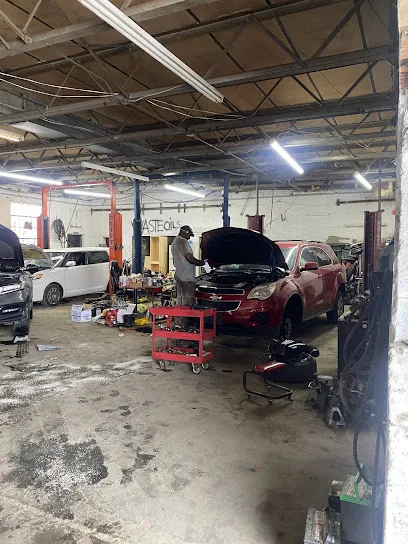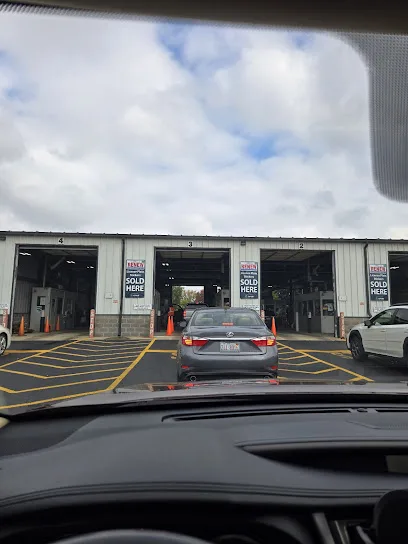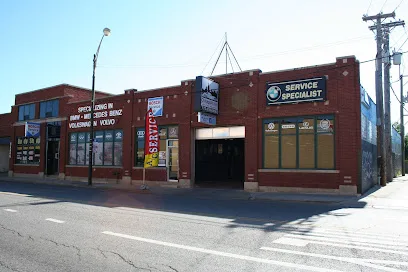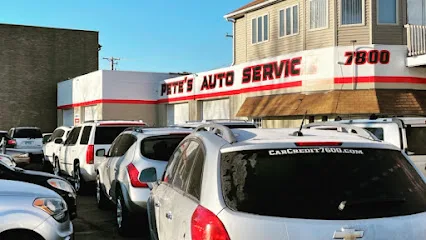
If your vehicle failed a smog/emissions inspection—or you’re planning for an upcoming test—the biggest challenge is matching the repair plan to the actual emissions result. BTH Auto Services operates as a Smog Check Station at 5829 Woodland Ave, Philadelphia, PA 19143, and their phone number is +1 267-210-5268. A good call helps you understand what they’ll diagnose, what repairs they expect to approve, and what happens next so you’re not guessing at the connection between the test outcome and the work.
Start by confirming the approval path for your smog/emissions visit
Smog and emissions issues often follow different tracks. If you’re scheduling an inspection with no prior failure, your goal is clarity on what the result means and what, if anything, follows. If you already have a failure or emissions warning, your approval conversation should shift toward diagnosis—what’s causing the reading and what fix is expected to bring the vehicle back into compliance.
When you call BTH Auto Services, ask what they expect your visit to include. For example: if your car fails, do they treat it as repair work during the same visit, or is diagnosis and approval handled as a separate next step?
Ask what the diagnosis is based on, not just which parts they want
Before approving repairs, focus on whether they can explain their diagnosis in a way you can later verify. A clear answer ties what they found during their scan/tests to the specific outcome of your inspection and the system(s) they’re trying to bring within range.
You can ask: “Can you walk me through what you saw during the scan/tests and which result the proposed repair is targeting?” If multiple changes are suggested, ask how they prioritize what’s most emissions-critical first, and what could be optional depending on the test data.
Request a repair quote that breaks work into understandable phases
To avoid surprises, ask for a quote that separates tasks into distinct phases rather than one blended total. For emissions repairs, the phases you want are typically diagnosis, parts and labor, and any follow-up steps needed to pursue a passing result.
Then ask about follow-up in plain terms. For instance, will a retest be expected after the repair? If so, will it focus on the same system(s) implicated in the failure? If they can’t explain how follow-up connects to the original emissions result, ask for a clearer plan before authorizing repairs.
Clarify retest timing and what “retest ready” means afterward
After emissions-related work, the vehicle may require additional confirmation checks or a stabilization period so the system can be ready for another test. Before you approve anything, ask BTH Auto Services what they recommend for retest timing and what you should do—or avoid—between completing the repair and returning for the next inspection.
It’s reasonable to ask why their expected retest aligns with the earlier emissions readings. If the fix is on the right track, they should be able to explain that confidence based on the diagnosis and the systems addressed.
Make sure you’ll receive documentation you can use later
Repairs are only part of the record; documentation is what you may need if you return for a retest or if further follow-up becomes necessary. Ask what paperwork or a summary they can provide that explains what was diagnosed and what was repaired.
Having clear documentation can reduce back-and-forth later and makes it easier to reference the work if you need to discuss next steps after your smog/emissions result changes.
Use these BTH Auto Services details to ground your decision
When you’re choosing a smog check provider, you want answers that hold up under conversation. For BTH Auto Services, keep your key details in mind while you ask questions: their address at 5829 Woodland Ave, Philadelphia, PA 19143, their phone contact +1 267-210-5268, and their role as a Smog Check Station. Then use their responses to guide your approval decisions.
Do they connect the emissions diagnosis to what the test measured? Do they quote repairs in clear phases? Can they explain retest readiness and expected follow-up in a way that makes sense? If you hear consistent, understandable answers, you’re in a better position to approve the repairs that directly address the smog/emissions result rather than authorizing work based on uncertainty.