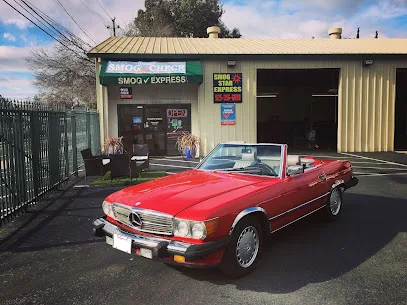
If you’re heading to a smog test station in Asheville, the biggest preventable problem usually isn’t traffic—it’s mismatch. Your paperwork may say one type of smog inspection, but the station you choose might run a different process, or you may leave without clear “proof” for DMV. A quick call ahead of time can make the day go smoothly.
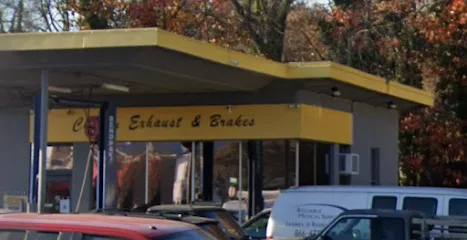
Custom Exhaust & Brakes, Inc. lists itself as an auto repair shop at 1345 Patton Ave, Asheville, NC 28806, and the phone number shown publicly is +1 828-252-5744. Their official site also provides general business details at https://customexhaustandbrakesincashville.com/. Use the questions below to confirm emissions inspection scope and paperwork outcomes before you arrive for your smog and emissions testing.
1) What exact smog inspection will you run for my paperwork?
Ask the station to describe the smog inspection type they will perform based on your DMV request (for example, renewals and specific compliance notices can require different handling). If the response sounds generic, push for clarity: what will they test on your specific vehicle and why that matches your notice?
How to phrase it
Bring your notice wording (or a photo of it) and say: “Please confirm the inspection type you’ll run is the one my DMV request is asking for.”
2) What proof do I receive immediately after the smog inspection?
Before you drive off, you want to know what documentation you’ll have in hand (or electronically) that shows the test result tied to your vehicle. Ask whether they provide a receipt, confirmation, or other “proof” that you can use to support your DMV step. If they can’t explain what you’ll receive right after the inspection, that’s a red flag for your timeline.
3) If my vehicle doesn’t pass, what happens next—before repairs?
It helps to discuss the “fail” scenario up front. Ask how they handle next steps: whether retest options are discussed right away, what the station recommends for diagnosis, and whether any repair work begins only after you understand the plan. You don’t want to be surprised by a process change after an initial emissions result.
What to confirm in the conversation
Ask what documentation they show you for the outcome, what they consider actionable items, and whether they guide your options before you approve any work.
4) Are there readiness steps you want me to complete before I arrive?
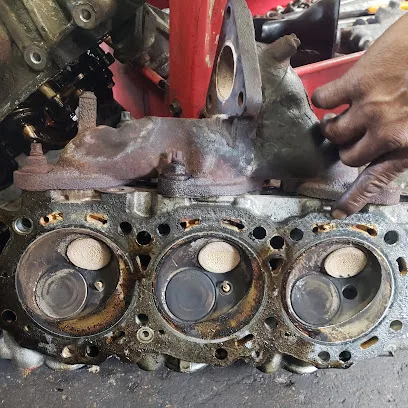
Smog test performance can be affected by vehicle condition. Ask what “pre-visit” items they expect you to handle: basic readiness checks, any dashboard light considerations, and whether they recommend you address obvious drivability issues first. Even if you’re not sure what’s relevant, the station can tell you what they commonly see and what they require for inspection day.
5) Will you coordinate repairs that relate to emissions—or do you only test?
Custom Exhaust & Brakes, Inc. describes itself as an auto repair business on its official site, with ASE-certified mechanics and automotive services such as exhaust and brake work. That matters because some vehicles need diagnosis or repair before retesting. Still, don’t assume. Ask whether they handle emissions-related repair in-house, and if not, whether they refer you to a specific partner.
6) What should I bring so the smog process is efficient?
At minimum, bring your DMV paperwork or notification, your vehicle details (year/make/model), and any prior inspection reference if you have one. Then ask the station what else they need at check-in to make the emissions inspection match your request.
Making these calls before your Asheville trip can save you an extra day of downtime. Start by confirming the exact smog inspection scope tied to your DMV notice, then confirm the “proof” you’ll receive right after the test. When those two pieces are clear, the rest of the visit—readiness, next steps for a fail scenario, and repair coordination—becomes easier to manage.