
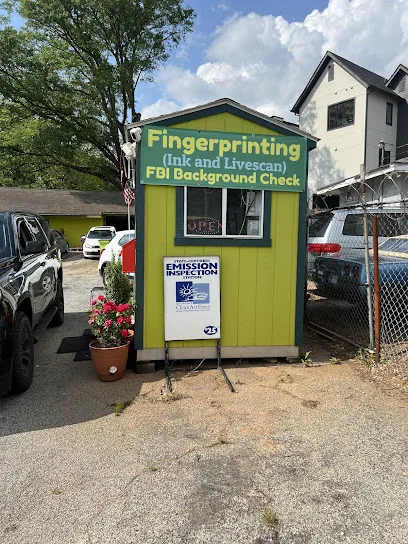
When your DMV registration depends on a completed emissions inspection, the “fastest” smog visit is the one that matches your paperwork and the test type your vehicle actually needs. MDJ Emissions Memorial—located at 1096 Memorial Dr SE, Atlanta, GA 30316—is a local test station you may be considering when you want a straightforward, in-person experience.
Because smog stations sometimes have different intake steps and may vary what they can run on the spot, the best way to avoid repeat trips is to call or arrive prepared with a short script. This guide focuses on the high-impact questions that reduce uncertainty before the inspection starts.
Start with one question: what emissions test will you run for my paperwork?
Before you hand over your keys, clarify the exact inspection your DMV or renewal notice requires. Ask the station to confirm the test category they will perform for your specific situation (for example, based on your vehicle year/type and the form you received). A clear answer matters because the wording on your notice can differ from what a station assumes from general “smog check” language.
For MDJ Emissions Memorial, use the contact number +1 404-300-3174 to confirm the inspection scope before you drive in. Even if the station is known for efficient service, the key is making sure you get the right test documented correctly the first time.
Match the “leave-with” documentation to what the DMV expects
After the emissions inspection, you should receive proof that your vehicle was tested and the results are recorded in a way your DMV process recognizes. Ask what paperwork you will receive immediately after the test and whether you will get it in hand, electronically, or both.
This is where many drivers get tripped up: the test might complete successfully, but the documentation pathway doesn’t align with what their renewal step expects. If you’re planning around a deadline, request a quick explanation of how your results are handled right after the inspection.
Ask what happens if the vehicle doesn’t pass on the first try
Smog visits often have a predictable decision tree: inspection first, then repair and possible retest if results aren’t within the required limits. Instead of assuming you’ll “figure it out later,” ask the station what the retest flow looks like if the vehicle doesn’t pass.
At a minimum, confirm what you should do next, what information you should bring, and how the station recommends timing for repairs versus retesting. This reduces stress and prevents losing days waiting on forms or rebooking.
Use the official station info to verify you’re at the right place
Before arrival, it helps to double-check the station’s public details. MDJ Emissions Memorial lists its location and contact on its official website at http://www.mdjemissions.com/. Verifying the address and phone number helps ensure you don’t end up at a different nearby testing site—something that can happen when multiple emissions businesses are listed with similar names in the same metro area.
Also, if you’re coming from a route with traffic variability, plan a buffer. Even when a station can move vehicles quickly, inspection timing can still depend on intake volume at that moment.
Bring these basics so the inspection stays efficient
While exact requirements can vary by vehicle and paperwork, you can reduce delays by arriving with your DMV notice or registration paperwork, your current vehicle registration info, and an understanding of any known issues (such as check engine light status). If you already have a reason to suspect emissions-related problems, mention it early so the station can guide you on the most appropriate next steps.
Quick call script for MDJ Emissions Memorial
When you call +1 404-300-3174, ask: (1) “What exact emissions test will you run for my DMV paperwork?” (2) “What documentation will I receive right after the inspection?” and (3) “If it doesn’t pass, what’s the retest process I should follow?”
That three-part check is the fastest way to confirm you’re choosing the right station for your smog and DMV needs, and it helps you avoid the most common repeat-trip scenario: a mismatch between the test run and the proof your paperwork requires.


