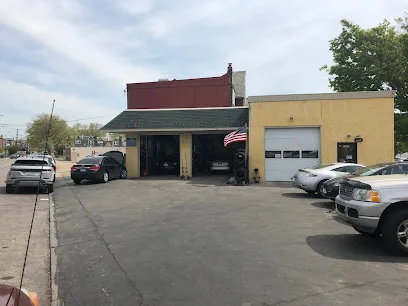
When your vehicle needs attention for smog and emissions, the hardest part isn’t always finding a fault—it’s deciding what repair path makes sense. At Schummers Auto Repair in Philadelphia, you can approach the process the same way you’d handle any major auto repair decision: confirm the cause, understand the proposed work, and compare options in a structured way before anything is done.
Schummers Auto Repair is listed as a Smog Check Station at 6700 Frankford Ave, Philadelphia, PA 19135, and you can reach the shop at +1 215-331-6229. Their official website is https://www.schummersauto.com/wp/?page_id=880.
Start by confirming what’s driving your smog/emissions issue
For emissions-related concerns, symptoms can appear in many forms—warning lights, performance changes, or other indicators—but your next step should be to confirm the underlying cause. Ask what the technician found and what evidence supports the diagnosis. If there’s more than one plausible cause, request the reasoning behind the top explanation and what signs would point to an alternative.
Ask what work will be changed—and how it ties to emissions results
Once there’s a diagnosis, focus on specifics. Request a clear breakdown of the proposed work and the “why” behind each recommended action. For smog/emissions work, explanations matter because the goal is typically tied to restoring the systems responsible for emissions performance and compliance.
In other words, you should be able to connect each recommendation to how it addresses the emissions concern—whether it’s intended to stop a failure from worsening, restore performance that impacts emissions, or address a safety-related issue that overlaps with the cause.
Compare repair vs. replacement with emissions-focused decision points
Some fixes are designed to resolve an issue for the long term; others can be temporary depending on what’s actually failing. If replacement comes up, treat it as a structured comparison rather than a guess. Ask how each option changes the scope of work and the expected outcome for the underlying emissions problem.
A useful comparison framework includes:
- Scope of work: which parts and systems are involved in the repair option versus the replacement option.
- Expected outcome: what the shop expects to correct in relation to the emissions concern.
- How long it should last: what the shop expects afterward, based on the vehicle and the diagnosed issue.
- What would trigger a repeat issue: what signs might mean the original cause wasn’t fully resolved.
If you’re unsure which direction is best, ask whether the shop recommends repair first or replacement first—and what specific findings or circumstances would cause that recommendation to change.
Clarify parts and labor before you approve anything
Emissions-related repairs aren’t just about parts—they’re about the process. Confirm what components are being used and whether anything is being reused versus replaced. Then ask how labor is tied to the job: what tasks are included and what checks are performed during the process.
If the technician expects additional findings once work begins, ask how that would be handled. The goal is to keep your decision aligned with what’s actually discovered, especially if the work could evolve based on what the shop finds during the repair process at a smog check station.
Plan timing using urgency and risk
Some vehicle problems require immediate action because they can affect drivability or safety. Others can be handled on a schedule when the vehicle remains reasonably safe to operate with minimal impact. Use the diagnosis and the shop’s explanation of risk to decide timing.
If you’ll need to drive the vehicle before the repair is complete, ask what symptoms would mean you should stop driving and request follow-up attention. That way, you’re not making the decision blindly—you’re choosing timing with clear guidance.
Choose how you want updates and approvals handled
Good outcomes depend on communication. Let Schummers Auto Repair know how you want updates delivered and how you prefer to approve changes. If you want a call before any additional work begins, say so. If you prefer written summaries, ask for a detailed explanation of what was found and what changed.
Turn the smog/emissions visit into a clear decision
Whether your visit starts with a smog/emissions concern or an emissions-related symptom, your goal is the same: understand the problem, understand your options, and choose a plan that fits your priorities. When the diagnosis is clear and the recommended repair versus replacement path is explained transparently, you can make a confident decision—without uncertainty about what’s being done and why.
If you’d like to discuss smog or emissions-focused repair decisions, Schummers Auto Repair at 6700 Frankford Ave in Philadelphia is positioned as a Smog Check Station and can be reached by phone at +1 215-331-6229.