When you drive to an emissions test station, the problem usually isn’t the paperwork—it’s that your car and expectations don’t match the station’s workflow. For Ohio E-Check at 4557 Industrial Pkwy, Cleveland, OH 44135, the most practical decision you can make is to confirm what the station will run and what “ready” looks like before you arrive with a deadline looming.
Confirm the lane workflow at 4557 Industrial Pkwy (not just the program name)
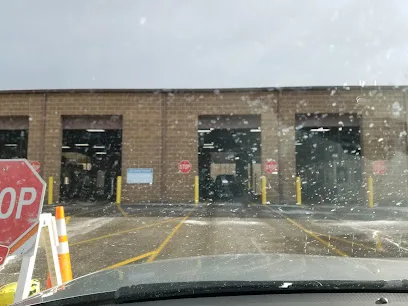
Ohio E-Check’s program site explains that full-service stations operate on set public hours and that you can arrive with your vehicle and pull around to the entrance of the station lanes without needing an appointment. Before you take time off work, call +1 800-227-8378 and confirm how that arrival process works for your day and your vehicle.
Ask them to describe the check-in flow for a driver who is coming in close to closing, and whether there are any lane-specific rules for certain vehicle types. This is where station-to-station differences matter—even within the same state program.
Match your vehicle to the exact E-Check test type the notice requires
A notice from the BMV or your registration renewal doesn’t just say “get an emissions test.” It points to the inspection workflow tied to your vehicle and timing. Before you go, confirm that the station will run the same E-Check inspection your paperwork expects.
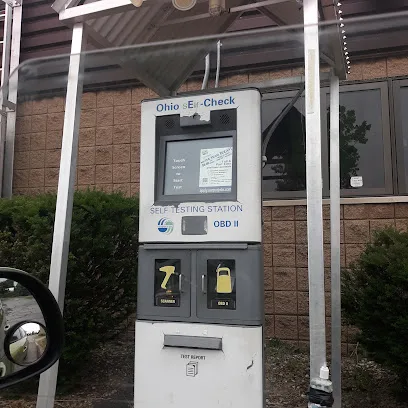
When you call Ohio E-Check, be concrete: ask what they will test for your year/make/model, and whether you should expect any specific computer/OBD steps for your vehicle. The program website is the best starting reference (see http://www.ohioecheck.info/), but your real-world fit is confirmed at the station when they tell you what they’ll run.
Clarify “ready” so you don’t show up after repairs (or while still unresolved)
Emissions results are only useful when the vehicle is in an inspection-ready state. Ohio E-Check’s statewide guidance also discusses situations where drivers may need repairs or extensions, which is a reminder that the test outcome can trigger follow-up steps.
Ask the station what they consider “ready” for your visit. For example: do they need certain warning lights addressed before the test, and how do they handle a vehicle that isn’t performing normally? Also ask what to bring if the vehicle has recently been serviced—so your visit doesn’t become a “come back later” situation.
Plan the failure conversation: certificates, waiver rules, and what changes after January 1, 2026
If you fail an emissions test, the next decisions are time-sensitive. Ohio E-Check’s program information includes statewide updates for drivers, including the idea that repair waiver minimums can increase in certain circumstances. In particular, the program site notes a Cleveland-area context tied to ozone reclassification and states that the minimum required spending for a repair waiver increases from $300 to $450, taking effect January 1, 2026.
You don’t need to memorize every rule—what matters is that you ask the station how they explain next steps after a failure, including what documentation you’ll receive and what follow-up path applies to your situation.
Make the visit decision with one consistent call script
Instead of comparing stations based on generic labels, use one call script for each option. For Ohio E-Check at 4557 Industrial Pkwy, confirm: (1) the full-service lane arrival workflow, (2) the specific E-Check inspection your notice requires, (3) what “ready” means for your vehicle before you pull in, and (4) what happens if you fail—especially what you’ll be given and what you’ll do next.
If you do those confirmations up front, the Cleveland test day becomes simpler: you arrive with the right expectations, you understand how results will affect your next steps, and you reduce the odds of a wasted trip.