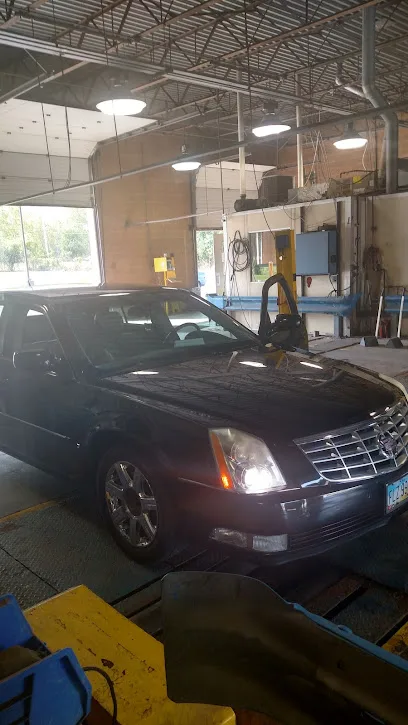
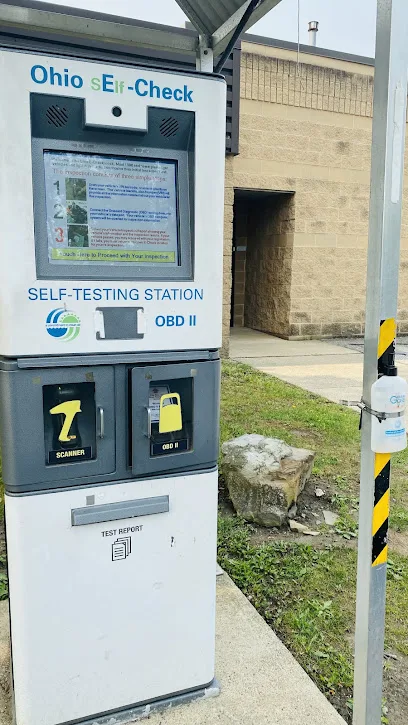
If your Ohio registration paperwork or BMV notice points to an emissions inspection, the fastest way to reduce confusion is to make sure your situation matches the workflow that this Smog Check Station uses for Ohio E-Check cases. This guide focuses on the Valley View location associated with Ohio E-Check and the program details that can affect what happens after a pass or a fail.
Verify you’re using the right Valley View E-Check station contact details
Before you plan your trip, confirm you’re contacting the correct and verifiable location tied to your paperwork. For this Ohio E-Check station, the listing details include:
- Address: 6150 W Canal Rd, Valley View, OH 44125, United States
- Phone: +1 800-227-8378
- Official website: http://www.ohioecheck.info/
Double-checking these items helps ensure you’re working with the same inspection process referenced in your notice, rather than relying on an outdated directory detail.
Match your BMV notice to the station’s E-Check steps (so you don’t waste a visit)
One of the biggest “decision gaps” with emissions testing is assuming every E-Check visit follows the same steps. Ohio E-Check program information states that if you received a 20 Day Suspension Notice, obtaining a passing emissions test before the deadline can send a certificate number to the BMV automatically, potentially avoiding the need for an additional BMV visit to show your certificate.
Because outcomes like this depend on your specific notice and timing, call the station and confirm what they will run based on your paperwork. When you speak with them, consider asking how your documentation will be handled during the workflow:
- What documentation from my BMV notice should I bring, and how will the station verify it?
- If my vehicle fails, what documentation will I receive immediately, and what will that mean for retesting?
- Should repairs happen before testing, after testing, or both—based on my situation?
Keeping the conversation grounded in your notice reduces the risk that you plan for the wrong stage of the E-Check process.
Certificate timing can change how you schedule repairs
Planning matters because emissions work is often a fix-and-repeat process. Ohio E-Check program materials state that certificates are valid for 365 days, which means you can schedule a passing test up to one year in advance of your registration.
If you’re dealing with repairs, this rule can affect how you sequence your work. Testing earlier can create room for diagnosis and repairs without feeling pushed into a last-minute rush driven only by registration timing.
If you fail: understand the repair-waiver minimum referenced by Ohio E-Check program rules
Some drivers run into surprise expectations after a failure, especially when a repair waiver is part of the compliance path. Ohio E-Check’s official program information references a Cleveland-area reclassification and notes that Ohio Administrative Code 3745-26-01(PP) increases the minimum amount required to be spent on motor vehicle repairs and diagnostic fees for a repair waiver from $300 to $450, effective January 1, 2026.
That information doesn’t replace station guidance, but it’s exactly the kind of program-specific detail worth confirming so you can set realistic expectations for the documentation and spending requirements tied to a repair waiver. If you receive a failed inspection result, ask the station how they explain the outcome and what you should keep for your next step.
Plan around the station workflow—not just the vehicle
On test day, treat preparation as part of the emissions workflow. Bring the paperwork tied to your required inspection and arrive with enough time for the station’s lane process. Be ready to discuss next steps if the vehicle doesn’t pass on the first attempt.
For Ohio E-Check at 6150 W Canal Rd, a practical strategy is to verify the station contact and the official program link, confirm your exact test match based on your notice, and plan around certificate timing and potential repair-waiver expectations. That approach helps reduce the chance that your first visit becomes a second trip due to a mismatch between your paperwork and the station workflow.