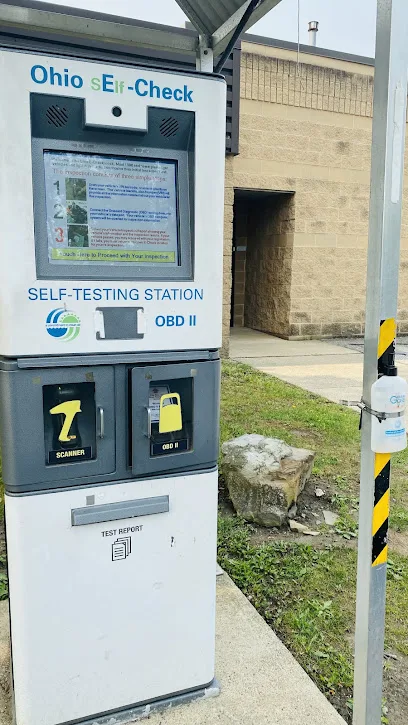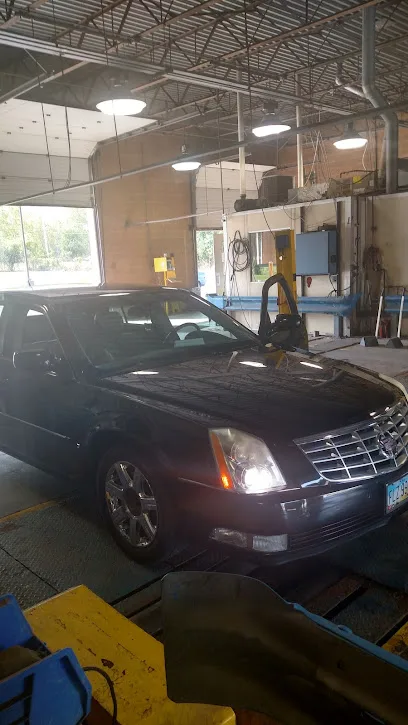
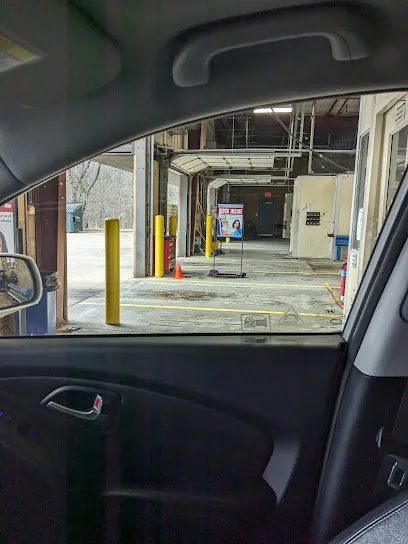
If your Ohio registration paperwork or BMV notice points you to an emissions inspection, the key is to match your visit to what your notice requires—especially the test outcome and the timeline it references. For drivers in the Cleveland area considering an E-Check option, this guide focuses on what to verify for Ohio E-Check at 19000 S Miles Rd, Warrensville Heights, OH 44128.
This is a decision-focused rundown of what to check before you arrive, how the 365-day certificate can affect timing, and what changes after a failure when repair-waiver minimums apply.
Start with your BMV notice: confirm the exact action and deadline
Don’t rely on the program name alone. Look at the details on your notice—what you’re required to complete and any deadline it cites. The station can help you align the inspection you need with what your next BMV step requires, but you’ll get the best results if you start by confirming your notice’s instructions.
Before you drive, note the dates and reason you received the letter. If you’re contacting the station, ask them to confirm you’re scheduled for the emissions inspection path that matches your notice, and ask what documents they need to process your case.
Certificate timing matters: certificates are good for 365 days
One practical detail that can help you avoid last-minute scheduling is certificate validity. Ohio E-Check’s official information states that certificates are good for 365 days. That window can make it easier to line up repairs, readiness, and your BMV-related timeline.
If you’re coordinating repairs after a check engine light or Service Engine Soon situation, ask the station how they expect timing to work with your notice—for example, whether your visit should happen first or whether they’ll expect readiness to be aligned to the paperwork.
What happens when you pass: certificate information tied to the BMV step
When your notice includes a deadline, the pass/fail outcome affects the next BMV step. Ohio E-Check guidance indicates that a passing test is connected to sending certificate information to the BMV.
Before leaving, ask what you should bring and what the station will provide after you pass—such as how the certificate number is handled for your next BMV action.
If you fail, understand how the repair-waiver minimum can change
Failing an emissions test can be stressful, but the waiver requirements are specific. Ohio E-Check’s official site notes that, due to changes related to ozone nonattainment reclassification, the minimum amount required to be spent on motor vehicle repairs and diagnostic fees for a repair waiver increases from $300 to $450, effective January 1, 2026.
Because waiver requirements connect to the failure outcome and program timing, ask the station to explain what they expect next after your result. Confirm what documentation or steps the program references if you plan repairs, and ask which diagnostic and repair categories typically count toward meeting the waiver minimum.
Use the official program contact to confirm process details
If you want to reduce the chance of a mismatch between your vehicle situation and the station’s process for your notice, contact the program before you drive. The official contact details are +1 800-227-8378, and the program site is http://www.ohioecheck.info/.
When you call, keep your questions focused on the emissions decision your BMV notice requires. Confirm the test type tied to your notice, ask what documents to bring, and ask how certificate and next steps are handled after a pass or after a fail.
- Does my BMV notice require an E-Check test at this workflow?
- If I pass, how and when does the BMV receive certificate information?
- If I fail, what repair-waiver minimum rules apply to my situation?
- What should I bring so the station can process my emissions inspection correctly?
Finish the step your paperwork is waiting for
Emissions testing is about completing the specific step your Ohio documentation requires. By verifying what your BMV notice asks for, using the 365-day certificate validity to plan your timing, and understanding the repair-waiver minimum increase to $450 effective January 1, 2026 after a fail, you reduce the chance of an avoidable repeat visit.
For a Cleveland-area starting point, 19000 S Miles Rd is a defined location to visit—then confirm the exact notice requirements and timelines before you arrive, using the official program contact path for case-specific questions.